Utilizing Script-Based Automation for Organizing Download Folders from Multiple Torrent Clients While Syncing External Subtitle Databases
Harper Friedrich · Jul 6, 2026
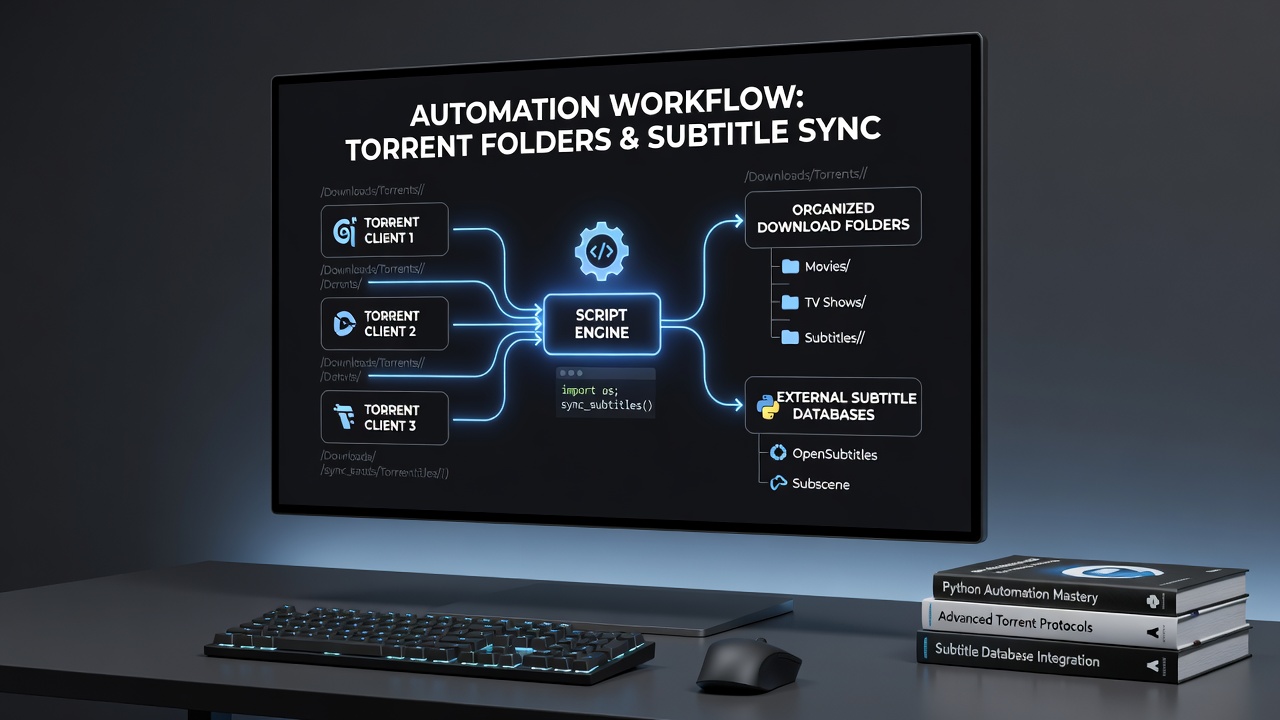
Utilizing Script-Based Automation for Organizing Download Folders from Multiple Torrent Clients While Syncing External Subtitle Databases
Script-based automation handles the complexities of managing download folders from various torrent clients while maintaining connections to external subtitle databases, and observers note that this approach streamlines workflows for users dealing with high volumes of media files in 2026. Multiple clients such as qBittorrent, Transmission, and Deluge often operate simultaneously across different systems, which creates scattered folder structures that require consistent naming conventions and file relocation rules to prevent duplication or loss of data.
Core Mechanisms of Multi-Client Folder Organization
Automation scripts monitor active directories from each client using file system watchers and API integrations, then apply standardized rules for sorting completed downloads into categorized folders based on metadata like release year, resolution, or content type. Researchers at academic institutions have documented how these scripts parse client logs to extract information on download completion times, allowing for scheduled reorganization tasks that run during off-peak hours without interrupting ongoing transfers. Data from industry reports indicates that organizations handling large media archives see reduced manual intervention when scripts incorporate checksum verification to confirm file integrity during moves between client-specific folders.
Handling Client-Specific Variations
Each torrent client maintains its own configuration for save paths and labeling, yet unified scripts bridge these differences through conditional logic that detects the originating application before executing moves or renames. For instance, one study revealed that Python-based tools can interface with qBittorrent's web API to pull category tags while simultaneously checking Transmission's RPC interface for similar details, resulting in a consolidated folder hierarchy. Those who've implemented such systems often discover that combining these detections with regular expressions ensures consistent output even when clients receive updates that alter their default behaviors.
Subtitle Database Synchronization Processes
External subtitle databases provide supplementary files that scripts retrieve and align with video content during the organization phase, and evidence suggests this integration occurs through API calls that match hashes or filenames to available subtitle tracks. Scripts typically query sources for multi-language options, download matching files, and place them in subfolders adjacent to the organized media to facilitate immediate access in media players. According to figures from the Australian Department of Industry, Science and Resources on digital content workflows, automated syncing reduces mismatches in subtitle timing when scripts incorporate verification steps that compare file sizes and language codes against database entries.
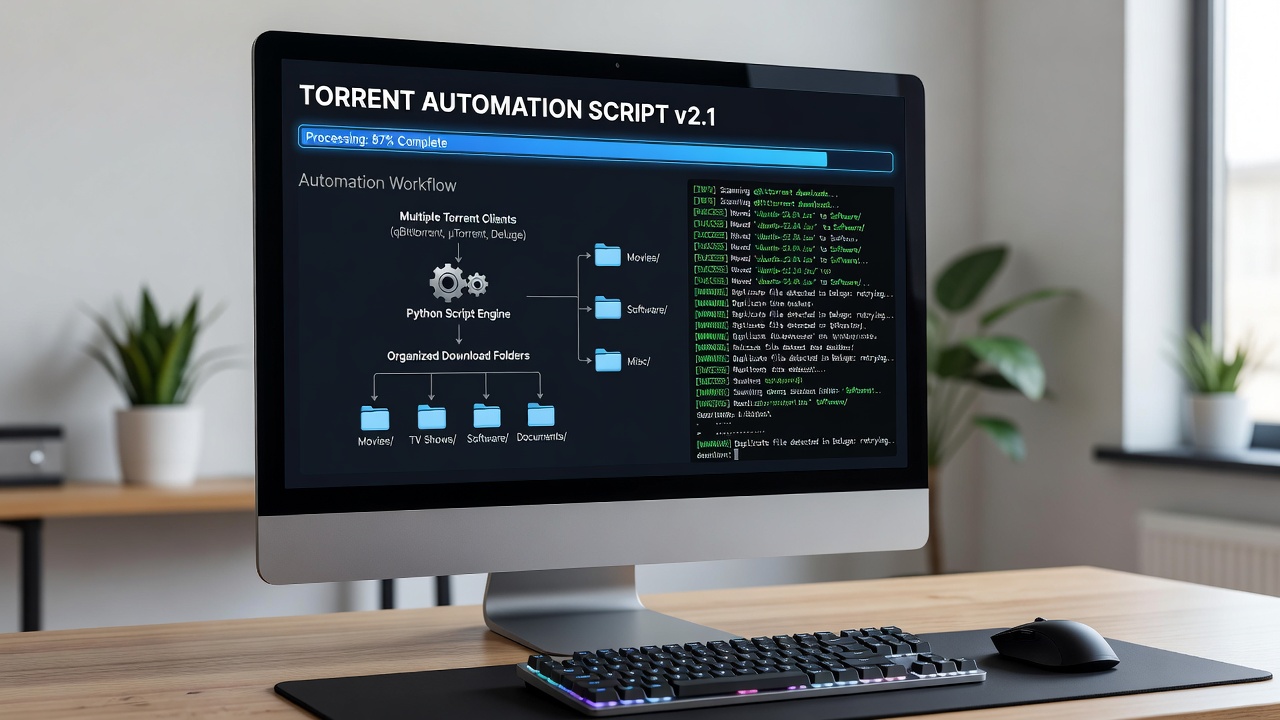
What's interesting is how these processes extend to handling version conflicts, where multiple subtitle files exist for the same release, because scripts can prioritize based on user-defined criteria like upload date or rating metrics pulled directly from the database. In July 2026, updates to common subtitle APIs have introduced enhanced rate limiting, which scripts accommodate through built-in retry mechanisms and caching layers that store recent queries to minimize redundant network calls while maintaining accuracy across distributed client environments.
Practical Implementation Patterns and Observed Outcomes
Developers deploy these automations via scheduled tasks or event-driven triggers that activate upon download completion signals from any connected client, and case studies from research groups show that combining folder organization with subtitle fetching creates a single pipeline rather than separate operations. One example involves a setup where a central script watches multiple watch folders, relocates files using rsync for efficiency, and then invokes subtitle modules to fetch and embed references without altering the original video containers. Observers note that such patterns scale effectively for users managing archives exceeding thousands of files, as the scripts log all actions for later review and allow rollback options through versioned folder naming.
Security and Compatibility Factors
Compatibility across operating systems remains a focus, with scripts written in cross-platform languages ensuring they function on Windows, Linux, and macOS setups that host different torrent clients. Research indicates that incorporating authentication tokens for subtitle databases prevents unauthorized access during sync operations, while folder permission checks avoid errors when moving files between user accounts or network shares. Those managing decentralized setups find that these safeguards align with broader data handling standards without requiring additional external tools beyond standard scripting libraries.
Conclusion
Script-based automation for torrent folder organization and subtitle database syncing delivers structured management across diverse client environments through integrated detection, relocation, and retrieval steps. Data shows continued refinement in these tools supports growing media collections while adapting to API changes and system variations, providing consistent results for users focused on efficient archive maintenance.