Analyzing Bandwidth Management Strategies in High-Definition Content Delivery Networks for Personal Use
Harper Friedrich · Jun 15, 2026
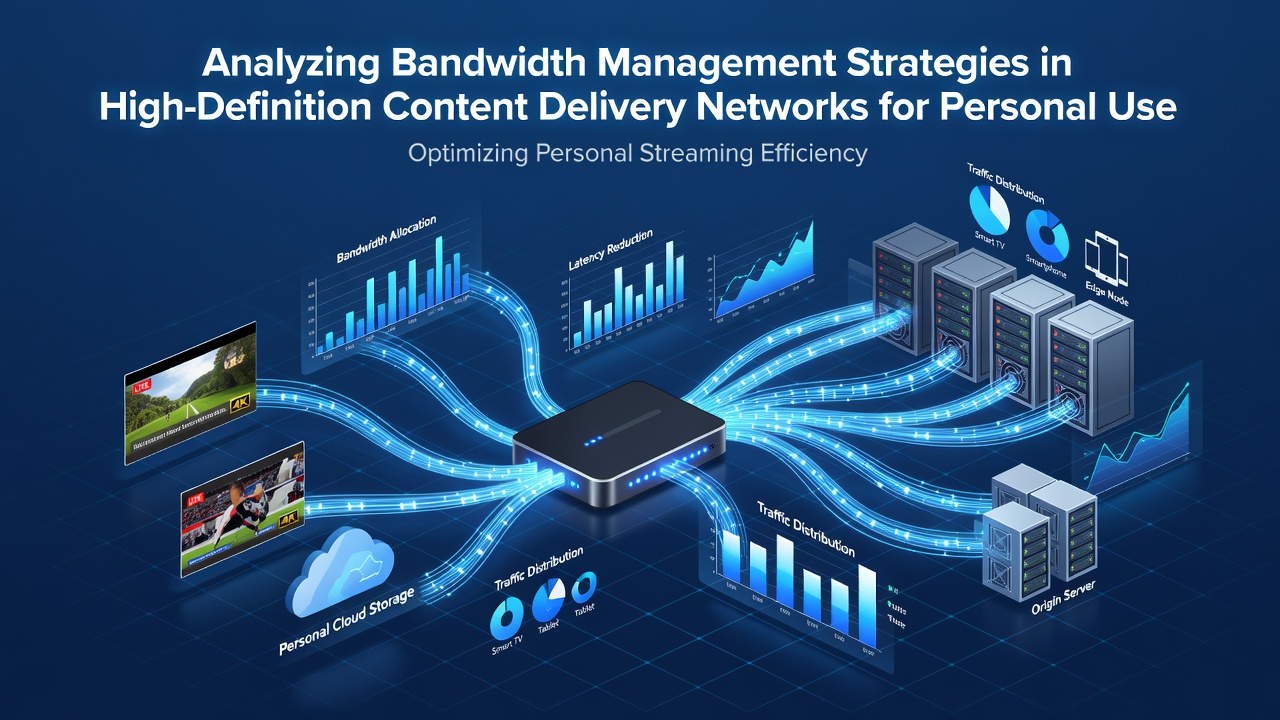
Analyzing Bandwidth Management Strategies in High-Definition Content Delivery Networks for Personal Use
High-definition content delivery networks operate through distributed servers that push video streams to end users, and personal households now manage these flows with increasing precision as 4K adoption grows. Observers note that effective bandwidth allocation prevents buffering during simultaneous device activity, while data from multiple regions shows households averaging three or more concurrent HD sessions by mid-2026.
Core Elements of Personal CDN Usage
Content delivery networks rely on edge servers positioned near users to reduce latency, yet home networks introduce variables such as router capacity and ISP throttling. Researchers at institutions across North America and Europe have mapped how adaptive bitrate protocols adjust quality levels in real time based on available throughput, and these adjustments occur through standards like MPEG-DASH that segment video into chunks of varying resolutions.
Personal users interact with these systems daily via services that deliver films and series, so strategies often begin with monitoring tools that track per-device consumption. Data indicates average North American households consumed over 500 GB monthly in streaming traffic during early 2026, with similar patterns emerging in Australian reports from the ACMA.
Primary Management Approaches
Traffic prioritization ranks among the most direct methods, where routers assign higher queues to video packets over background downloads. This technique works through Quality of Service settings that users configure in consumer-grade equipment, and it maintains stream stability when multiple applications compete for the same connection. Studies from Canadian regulatory bodies confirm that households applying QoS rules experience fewer interruptions during evening peak periods.
Local caching represents another layer, achieved when media servers store frequently accessed files on network-attached storage devices. Those who implement such setups reduce repeated requests to external CDNs, which in turn lowers overall bandwidth draw. What's interesting here is how open-source software enables this on modest hardware without requiring enterprise solutions.
Adaptive Techniques and Monitoring
Adaptive streaming algorithms form the backbone of modern delivery, automatically lowering resolution when packet loss rises or when competing traffic appears on the local network. Users supplement these built-in features with third-party analyzers that display real-time graphs of upload and download rates. According to FCC broadband performance data released in spring 2026, regions with higher average speeds still saw congestion issues tied to uneven distribution rather than raw capacity.
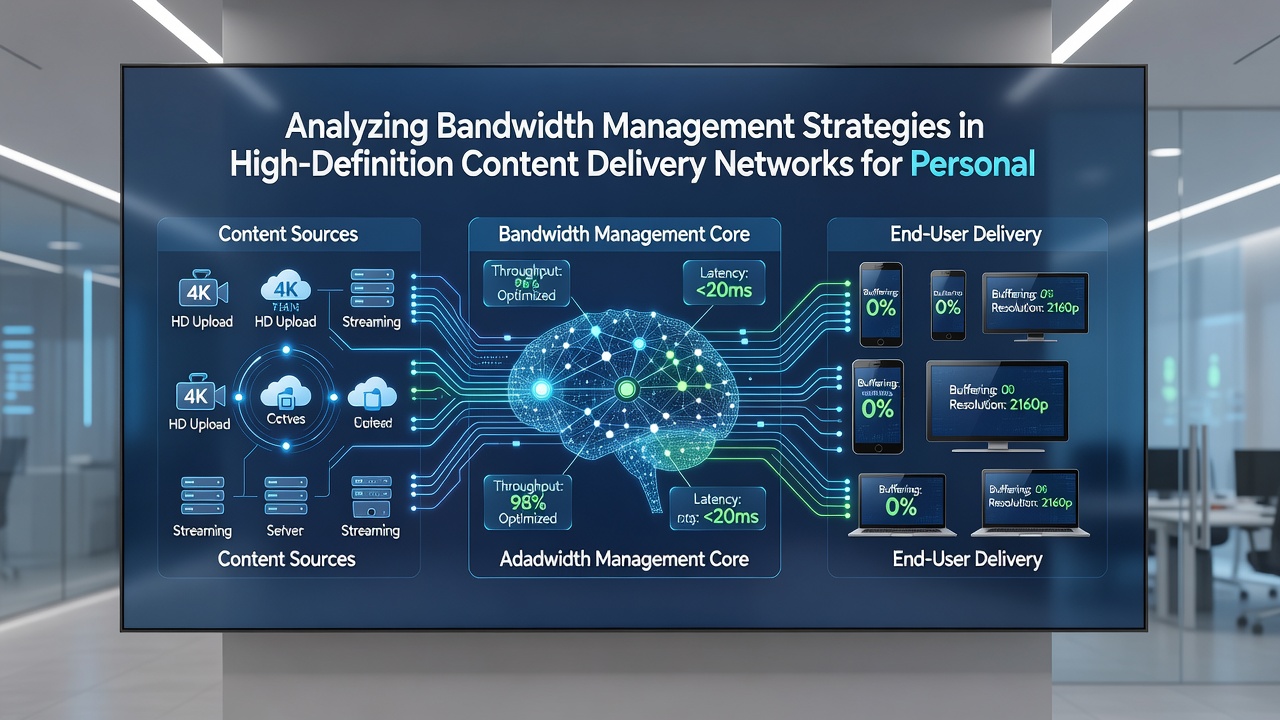
Scheduled transfers provide additional control, allowing large file movements to occur during off-peak windows when ISP policies typically permit greater headroom. This approach pairs well with calendar-based automation scripts that pause or resume sync operations based on time of day. Evidence from EU broadband studies shows measurable reductions in peak-hour strain where such scheduling became common practice among early adopters.
Integration with Home Infrastructure
Mesh Wi-Fi systems extend coverage while incorporating built-in bandwidth governors that balance loads across nodes. People often combine these systems with wired backhauls to ensure the most demanding streams reach their targets without wireless interference. Observers note that firmware updates in 2025 and 2026 added more granular per-application controls, giving households finer levers over how video traffic shares resources with other data flows.
VPN overlays introduce encryption overhead that can affect throughput, yet many users route only non-streaming traffic through them to preserve headroom for HD delivery. This selective routing requires static rules within the router configuration, and documentation from various university network labs outlines tested configurations that maintain acceptable margins.
Trends Emerging in Mid-2026
Figures from multiple regulatory sources reveal continued growth in 4K endpoint counts, pushing personal networks to adopt more sophisticated shaping. Bandwidth caps remain a factor in certain markets, prompting households to track cumulative usage through ISP portals alongside local tools. Those patterns underscore why hybrid strategies that blend device-level controls with protocol awareness continue to spread.
Conclusion
Bandwidth management in high-definition content delivery networks for personal environments centers on combining protocol-level adaptations with deliberate home-network configurations. Data collected through 2026 demonstrates that households applying layered approaches sustain smoother playback across varied connection qualities, and the same records show these methods scale effectively as new resolutions enter mainstream use.